Building Permit Drawings in Burlington: Zoning Checks, Permit Documents, and City Review
General Permit Knowledge
Learn what to do after receiving an order to comply for building without a valid permit in Ontario, including permit drawings, applications, inspections, and compliance steps.
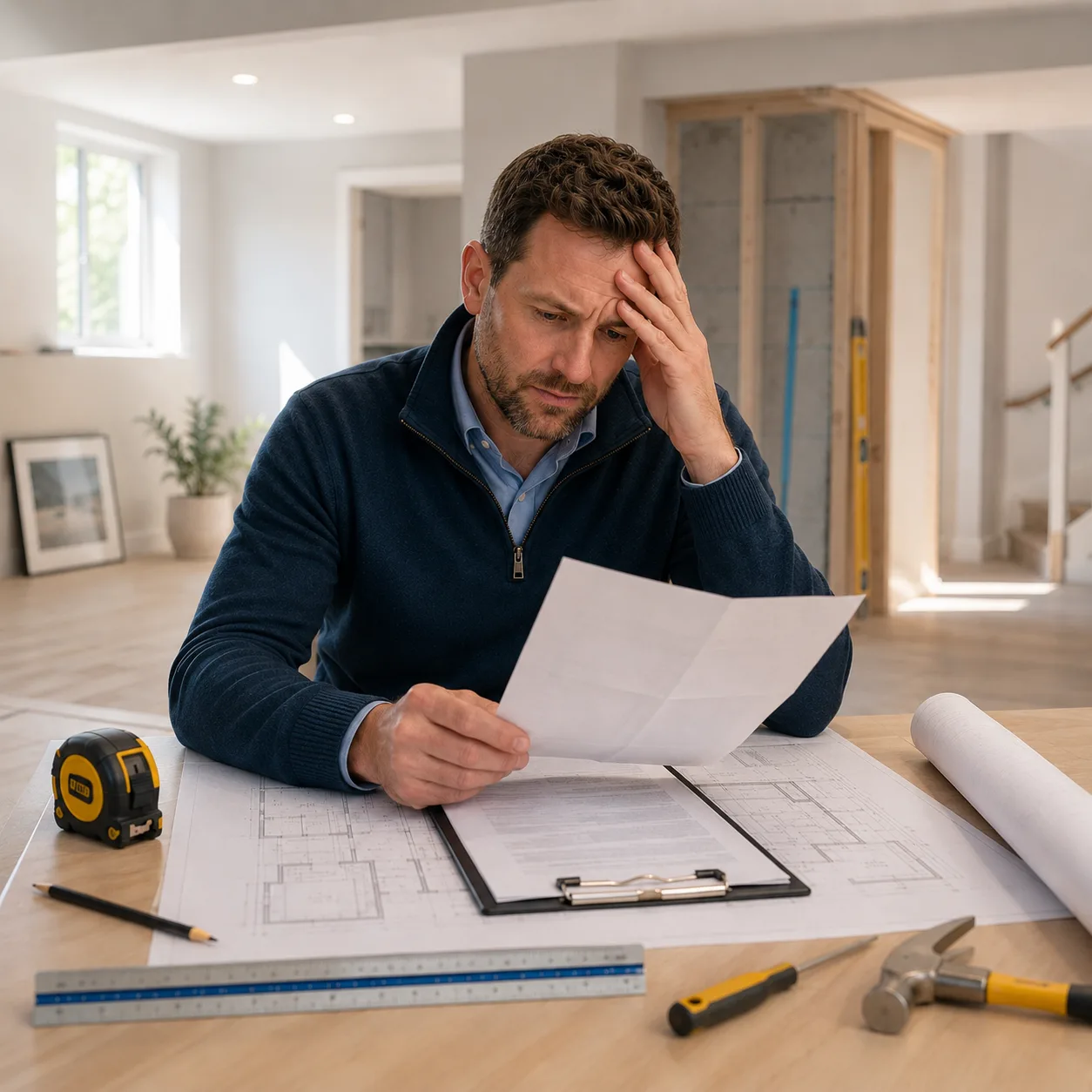
Building without a valid permit can create serious problems for a property owner, contractor, or business owner. If local authorities discover construction that was completed or started without the required approval, you may receive an order to comply.
An order to comply does not always mean the work must be removed immediately, but it does mean the issue needs to be handled carefully. The right next step is usually to review the notice, understand the violations, prepare the required permit documents, and work with the municipality to bring the project into compliance.
This guide explains what an order to comply means, why it is issued, and what you can do after receiving one.
An order to comply is a formal notice issued by a local building department or authority when construction appears to have been completed, started, or continued without meeting applicable permit or code requirements.
It is commonly issued when a municipality believes that work was done without the required building permit, inspections, or approved drawings. The notice will usually identify the concern, outline what must be corrected, and provide instructions or deadlines for responding.
Authorities issue orders to protect public safety and ensure that construction follows applicable building codes, zoning rules, and municipal requirements. Unpermitted work can create concerns such as:
The order may require you to stop work, submit a building permit application, provide drawings, expose concealed work for inspection, correct deficiencies, or remove unauthorized construction. The exact requirements depend on the municipality, the type of work, and the condition of the project.
Ignoring an order to comply can make the situation more difficult and more expensive. Once the municipality has issued the notice, the file is usually active and may continue to escalate if there is no response.
Property owners or responsible parties may face fines, penalties, or additional enforcement action. In some cases, penalties can increase if the violation remains unresolved or if work continues without approval.
Local authorities may take legal steps when an order is not addressed. This can create added costs, delays, and uncertainty for the property owner or contractor.
If the unauthorized construction cannot be approved or brought into compliance, the municipality may require part or all of the work to be removed. This is why it is important to respond early and get professional guidance before making assumptions about what can stay.
The safest approach is to treat the order as urgent, gather the facts, and begin the compliance process as soon as possible.
After receiving an order to comply, your goal is to understand the issue, prepare the right documents, and show the municipality that you are taking corrective action.
Review the notice in full. Look for the property address, description of the violation, required actions, deadlines, inspector contact information, and any instructions about stopping work or submitting documents.
If you need more time to prepare drawings or speak with a professional, contact the inspector or building department. A clear response is usually better than silence.
Gather any documents related to the work, including sketches, construction photos, contractor invoices, existing drawings, site measurements, surveys, and product specifications. These details can help determine what needs to be submitted with the permit application.
Depending on the project, you may need help from a designer, architectural technologist, engineer, contractor, or building permit consultant. A professional can review the work, identify code or zoning concerns, prepare permit drawings, and help organize the application.
Most compliance files require a building permit application with drawings and supporting documents. The drawings should clearly show the existing work, proposed corrections, and how the project will meet applicable requirements.
Once the municipality identifies what needs to be corrected, you may need to modify the work, expose covered areas for inspection, add required safety measures, or revise drawings. Do not conceal or continue work that the inspector needs to review.
Bringing a project back into compliance usually involves a combination of permit documents, municipal review, site corrections, and inspections.
The process usually starts by confirming which permits are required for the work. Contact the local building department or review municipal requirements for your project type. Common submission materials may include:
After submission, the municipality reviews the application for compliance with applicable building code and local requirements. Revisions may be requested before approval.
After a permit is issued, inspections confirm that the work is being completed according to the approved drawings and applicable code requirements. For work that was already completed, the inspector may require parts of the construction to be opened so hidden conditions can be reviewed.
Maintain professional communication with the inspector throughout the process. Ask questions when instructions are unclear, schedule inspections in advance, and respond promptly to correction notices or revision requests.
Permit Works can help property owners, contractors, and business owners prepare building permit drawings and organize the application process for projects that need to be brought back into compliance. Every file is different, so early review is the best way to understand the options and next steps.
Read the order carefully, note the deadline, stop any work if instructed, and contact the inspector or building department. Then gather project documents and speak with a qualified professional about the permit and compliance requirements.
Sometimes, but it depends on the project, the condition of the work, zoning requirements, and whether the construction can meet applicable code requirements. The municipality may require drawings, revisions, inspections, or exposed work before approval.
In many cases, yes. Permit drawings help show what was built, what corrections are proposed, and how the project will meet building code and municipal requirements. The exact drawing requirements depend on the type and scope of work.
Ignoring the order can lead to fines, enforcement action, legal costs, project delays, or a requirement to remove unauthorized work. It is usually better to respond early and begin the compliance process.
For the legal framework, review Ontario's Building Code Act, 1992 and its explanation of regulatory roles for construction and renovations. The municipality's actual order and the assigned inspector's directions control the required response for a specific property.
Need help bringing existing work back into compliance? See our Permit Legalization / Work Without Permit service. If the municipality has already issued review comments, see City Comment Response.
Not sure if your project needs a permit? We can help.
Book a free 15-minute consultation and we'll guide you through it
.png)