Building Permit Drawings in Burlington: Zoning Checks, Permit Documents, and City Review
General Permit Knowledge
Learn why a building permit is an investment in safety, compliance, insurance protection, resale value, and smoother renovation planning in Toronto and the GTA.

Home renovation projects are exciting, but the building permit step is often treated as a delay or a formality. In reality, a permit is one of the main protections for your home, your budget, and your future resale value.
A building permit confirms that the proposed work is being reviewed against applicable building, safety, and zoning requirements. For homeowners in Toronto and across the GTA, that review can help reduce the risk of unsafe construction, costly corrections, insurance complications, and issues when the property is sold or refinanced.
Permit requirements vary by municipality and project type, but the safest approach is to understand the permit process early instead of dealing with problems after construction has started.
Many homeowners see permits as unnecessary red tape. That misunderstanding can lead to avoidable mistakes, especially when the work affects structure, plumbing, electrical systems, fire safety, exits, zoning, or the legal use of a space.
Getting a permit does require upfront time, but skipping it can create longer delays later. If unpermitted work is discovered, the city may require revised drawings, inspections, corrective work, or removal of completed construction before the project can move forward.
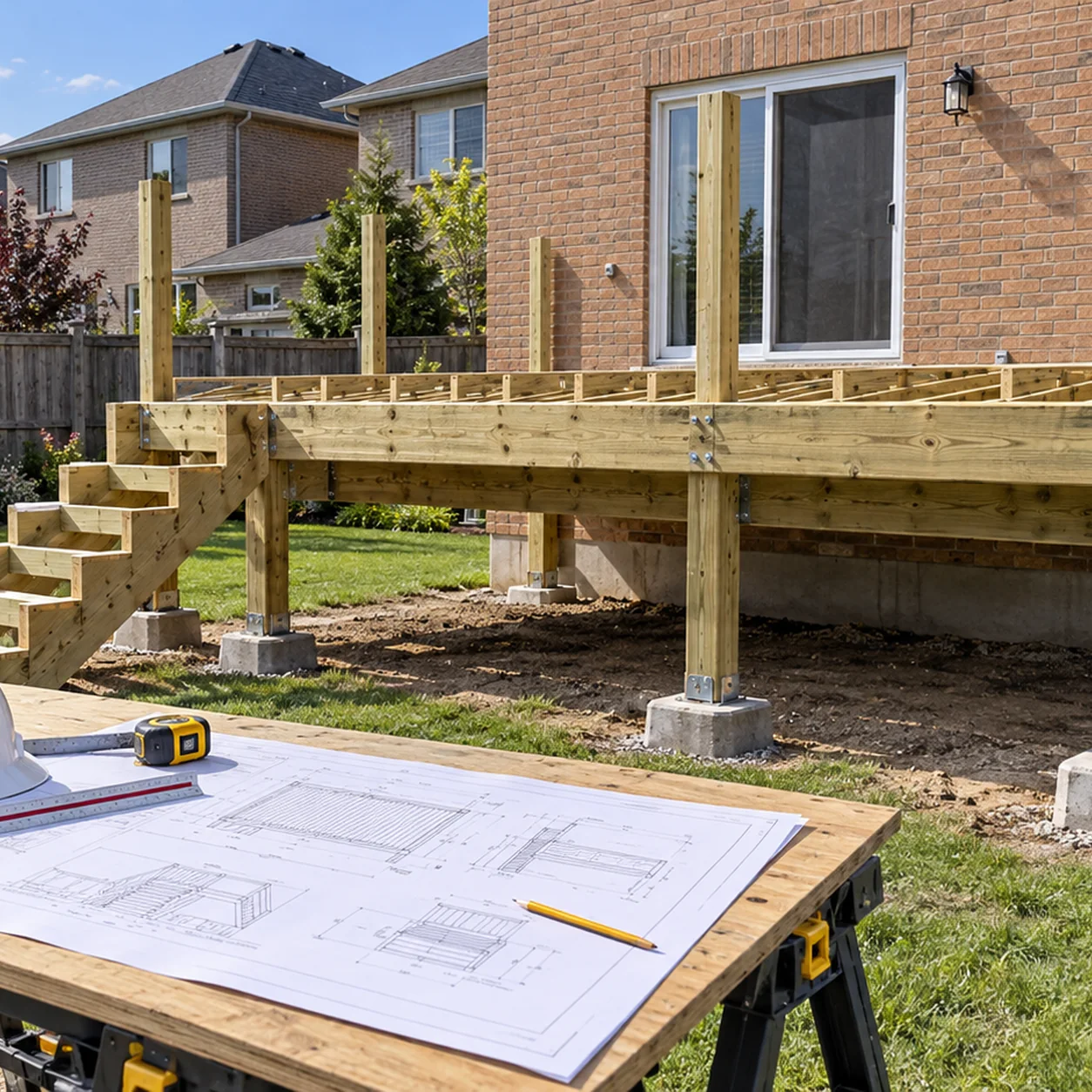
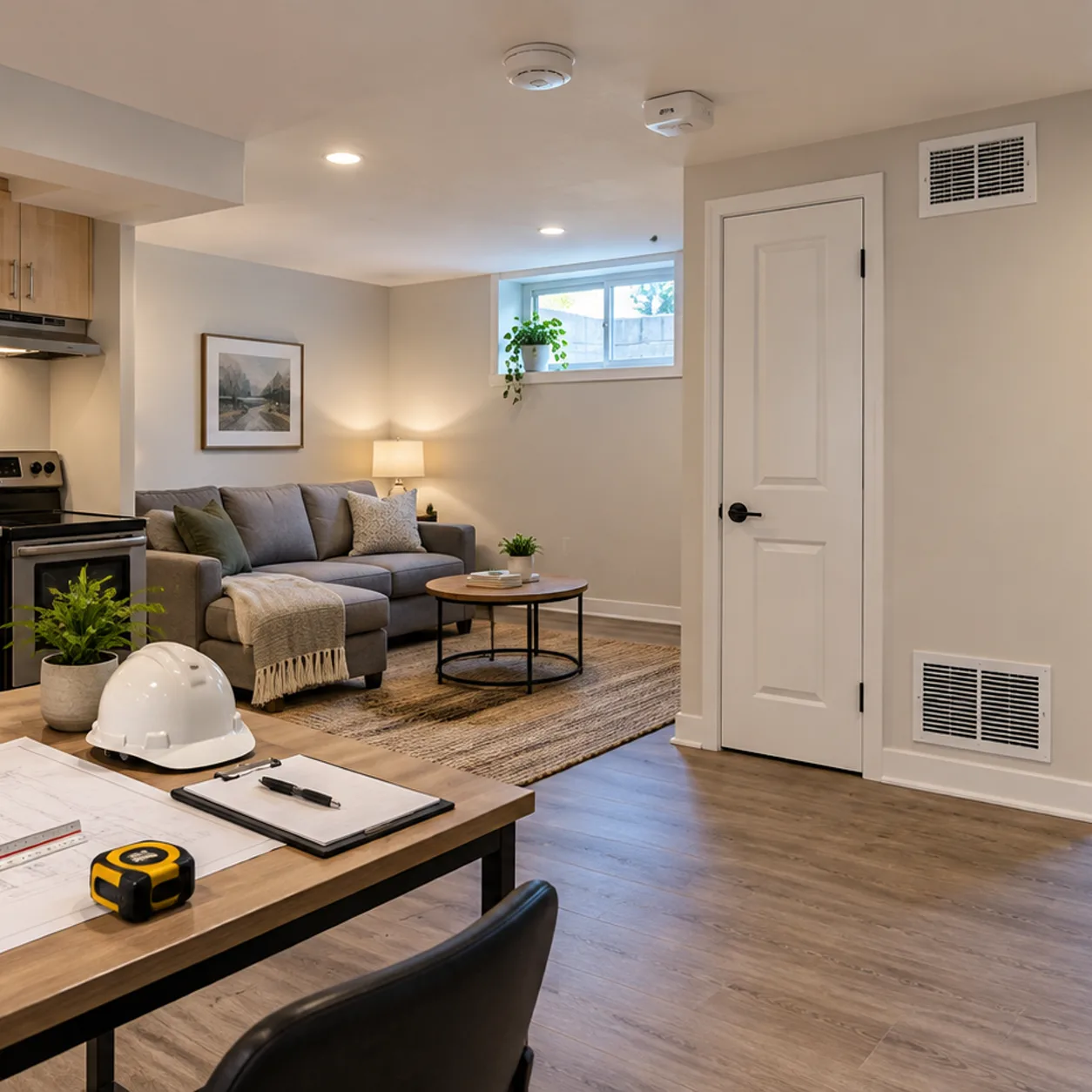
Permit requirements are not limited to large additions or full-home renovations. Smaller projects may also need review if they involve structural changes, plumbing changes, basement work, decks, secondary suites, exterior alterations, or other regulated work. Cosmetic updates are usually different, but the scope should be checked before assuming no permit is needed.
Contractors often help with permit coordination, but the homeowner should still understand what is being submitted and whether the application is complete. If drawings, zoning information, or required documents are missing, the project can still face delays even when a contractor is involved.
The process can feel overwhelming, but it is manageable with the right drawings, documentation, and guidance. Permit fees are usually much smaller than the potential cost of fines, redesign work, construction delays, insurance disputes, or having to redo work that does not meet code.
A smoother permit process starts before the application is submitted. The more complete and accurate the package is, the easier it is for municipal reviewers to assess the project.
Start by checking your municipality’s building permit and zoning requirements. In Toronto and many GTA municipalities, different project types may require different drawings, forms, surveys, consultant input, or supporting documents.
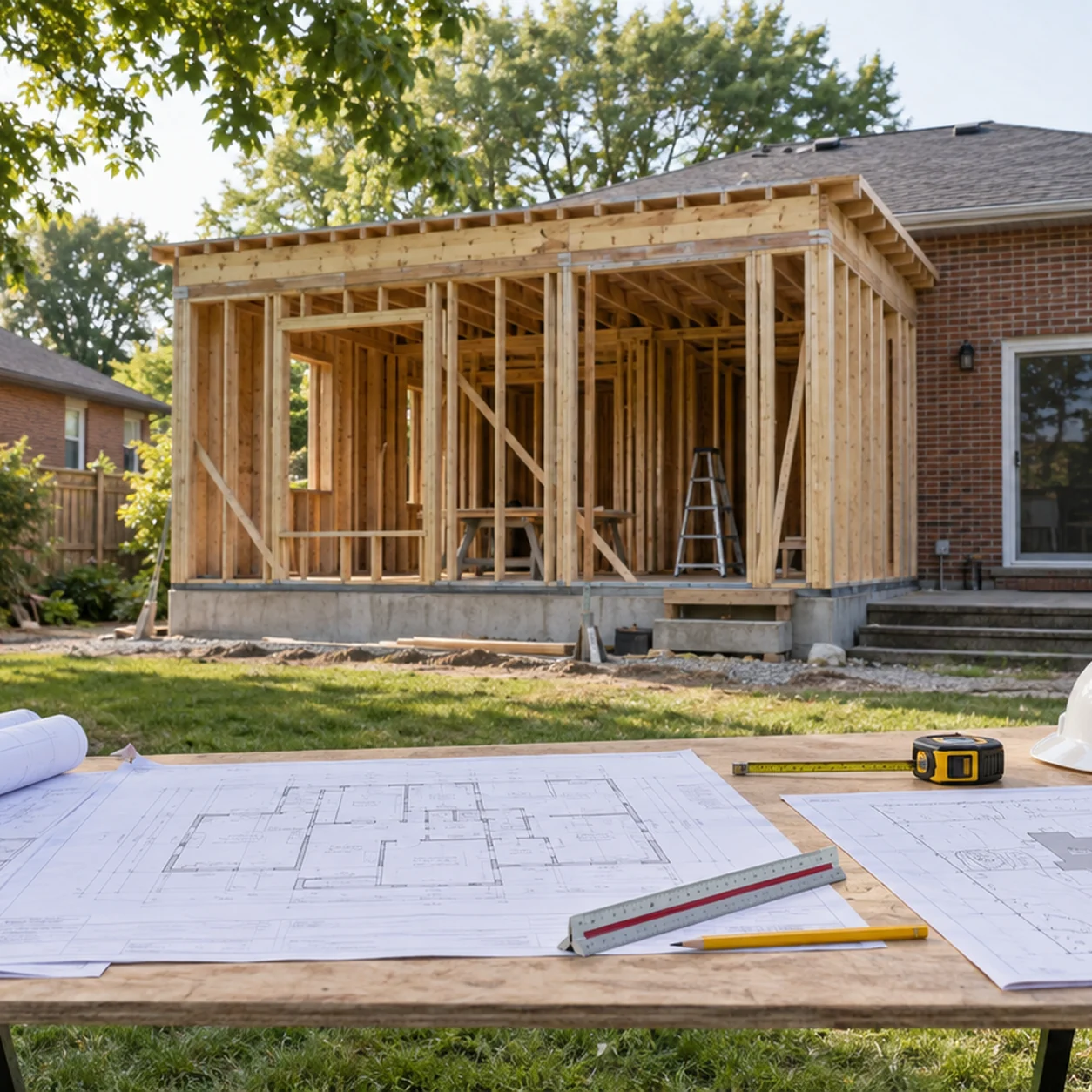
Permit applications often need more than a basic sketch. Depending on the project, the package may include existing and proposed floor plans, elevations, sections, site plans, construction details, and information related to structure, plumbing, HVAC, or fire separation.
Architectural designers, engineers, and permit specialists can help identify missing information before submission. Professional review can also reduce back-and-forth with the city by making the application clearer and more complete from the beginning.
Permit review takes time, especially if zoning or technical comments are issued. Submitting early gives you more room to respond to examiner comments, coordinate consultants, and revise documents before construction timelines are affected.
Skipping the building permit process can create financial and legal problems that are much larger than the original permit cost. Even if the work appears complete, unpermitted construction can still cause issues later.
If work does not meet building code or zoning requirements, the city may require corrections. In some cases, finished work may need to be opened, changed, or removed so that inspections and compliance issues can be addressed.
Unauthorized construction can lead to municipal enforcement, fines, or stop-work orders. These problems can interrupt construction and create additional administrative and professional costs.
Unpermitted work may create problems with insurance claims, especially if damage is connected to electrical, plumbing, structural, or other unauthorized work. Homeowners should not assume insurance coverage will be unaffected.
When selling or refinancing, buyers, lenders, appraisers, or lawyers may ask about permits for completed work. Missing permits can reduce confidence in the renovation and may force corrections before a transaction can move forward.
A building permit is not just a box to check. It helps create a clearer, safer, and better-documented project from planning through completion.
Permit review and inspections help confirm that the project is being built according to applicable standards. This can reduce risks related to structure, fire safety, exits, plumbing, HVAC, and other building systems.
The permit process forces important project details to be addressed before construction starts. Clearer drawings and requirements can improve communication with contractors and reduce surprises during the work.
Permitted work gives future buyers and lenders more confidence that the renovation was reviewed and inspected. That documentation can support resale, refinancing, and appraisal conversations.
When handled properly, a permit helps protect your home, your family, and your financial investment. It reduces the risk of avoidable enforcement problems and gives the project a stronger foundation from the start.
A building permit helps protect the safety, legality, and long-term value of your project. It can reduce the risk of costly corrections, enforcement issues, insurance complications, and resale problems.
It can. If damage is connected to unauthorized or non-compliant work, an insurer may question coverage. Homeowners should confirm requirements before starting work that may need a permit.
Yes. Some smaller projects may need a permit if they affect structure, plumbing, fire safety, exits, exterior changes, zoning, or the legal use of a space. Cosmetic work is usually different, but the project scope should be checked.
The city may require drawings, inspections, corrections, or removal of work that does not comply. The exact outcome depends on the project, municipality, and condition of the completed work.
Yes. Permit Works can help with permit drawings, zoning-related review, application support, consultant coordination, and responses to city examiner comments for projects in Toronto and the GTA.
Request a Permit Review
Planning a renovation? Permit Works can help review your project scope, prepare permit drawings, support the building permit application, coordinate consultants where needed, and respond to city comments. Requirements vary by municipality and project type, and approval depends on municipal review, but a complete submission can help reduce avoidable delays.
Ontario's Building Code information and Building Code Act provide the provincial framework. For a municipal example of common permit triggers and owner responsibilities, see Toronto's When Do I Need a Building Permit? guide.
Not sure if your project needs a permit? We can help.
Book a free 15-minute consultation and we'll guide you through it
.png)