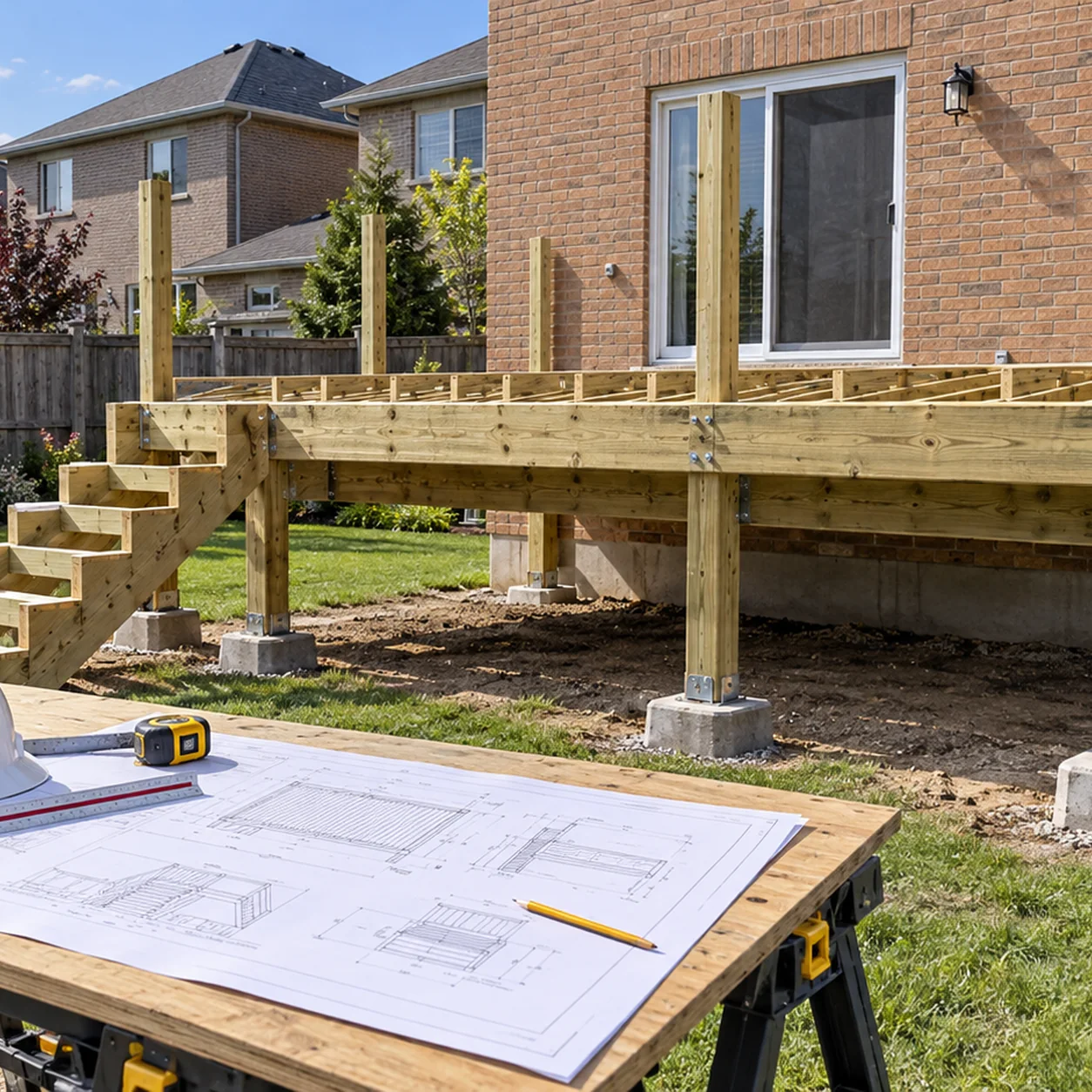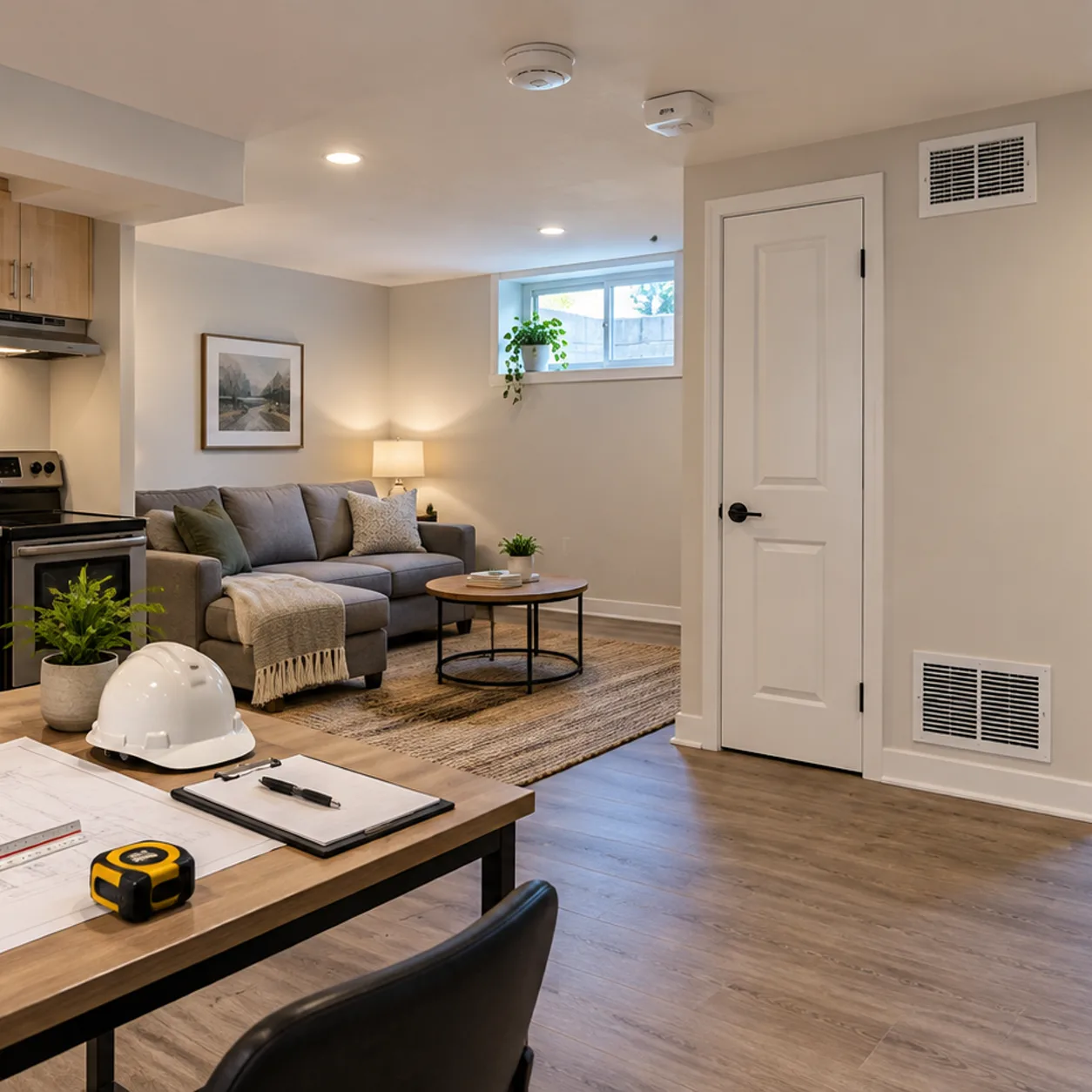
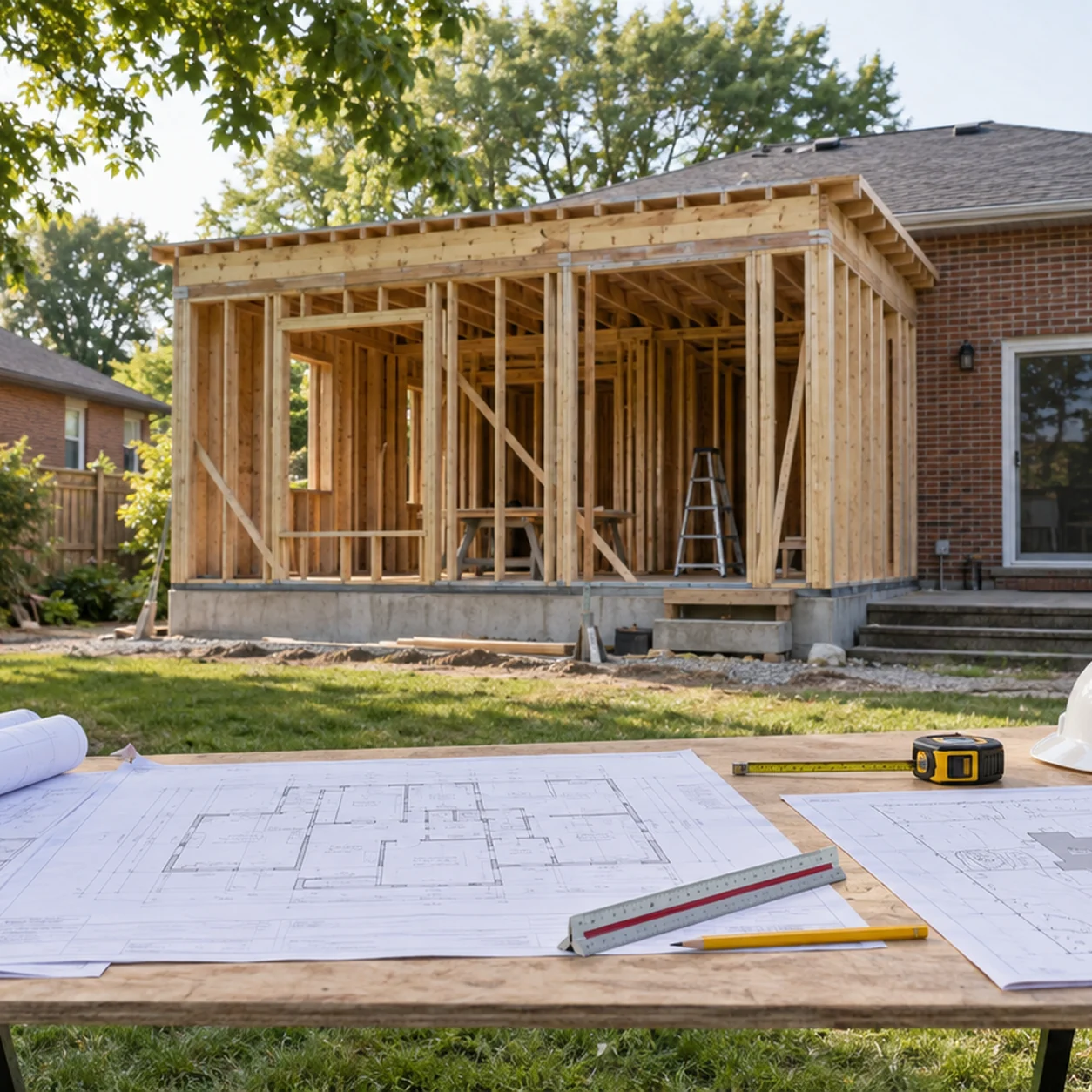
Building Permit Drawings in Burlington: Zoning Checks, Permit Documents, and City Review
General Permit Knowledge
Learn how to check if a basement apartment is legal in Ontario, including permit records, common red flags, real estate listing claims, and steps to legalize a unit.
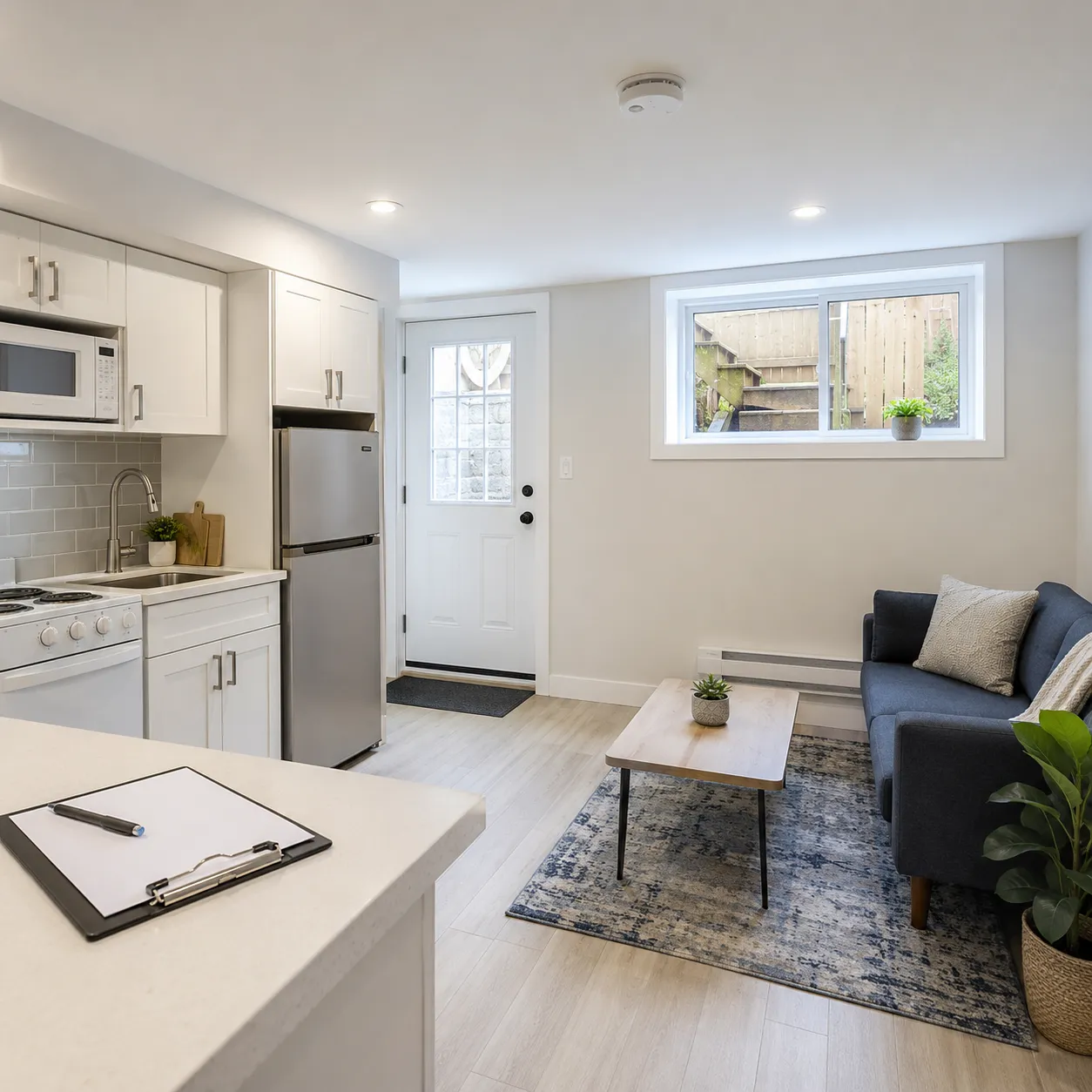
Basement apartments can be a practical way to add rental income, create more living space, or make a property more flexible for family use. But before renting, buying, or relying on a basement unit, it is important to confirm whether it is actually legal.
A legal basement apartment is more than a finished basement with a kitchen and bathroom. In Ontario, the unit must meet zoning, building code, fire safety, and inspection requirements. If the unit was built without permits or does not meet safety standards, the owner may face costly repairs, enforcement orders, tenant issues, or legal exposure.
This guide explains how to check whether a basement apartment is legal, why real estate listings are not enough, common warning signs of an illegal unit, and what steps to take if the apartment needs to be legalized.
The most reliable place to start is with the local municipality. Contact the city building department and ask whether the property has building permit records for an additional dwelling unit, secondary suite, basement apartment, or similar residential unit.
Permit records can help confirm whether the unit was reviewed and approved under the rules that applied at the time. Depending on the municipality, you may also need to review zoning requirements, occupancy records, or other local documentation.
Your local building department can often confirm whether permits were issued for work related to the basement apartment. If there are no records for the unit, that does not automatically prove every part of the basement is unsafe, but it is a strong sign that the apartment may not be legally recognized.
Before investing in drawings or construction, confirm whether the property is allowed to contain a secondary suite or additional residential unit under the applicable zoning bylaw. Many Ontario municipalities have updated rules for additional residential units, but site-specific restrictions can still apply.
Items such as property type, parking, entrances, lot conditions, and existing dwelling layout may affect what is possible. A zoning review should happen early so you do not spend money on a design that cannot proceed.
A real estate listing that mentions an "existing basement apartment," "in-law suite," or "income potential" does not prove the unit is legal. Listings are marketing descriptions, not permit approvals.
Property buyers sometimes discover after closing that a basement unit advertised as existing or grandfathered does not have supporting permit records. That can create problems if the owner plans to rent the unit, refinance based on income, renovate the property, or respond to a complaint.
The term "grandfathered" is often used loosely. A unit may be older, but that does not automatically mean it is legal. The city may still require evidence that the unit was established lawfully or that it meets applicable safety and building requirements.
If you are buying a property with a basement apartment, ask for copies of permits, inspection records, drawings, or city correspondence. If documents are not available, speak with the municipality or a permit professional before assuming the rental setup is compliant.
Some issues are common in basement units that were finished without proper approvals. These warning signs do not replace a professional review, but they can help you identify when a closer look is needed.
Other concerns may include unsafe stairs, poor ventilation, unpermitted plumbing, unapproved electrical work, inadequate fire separation between units, or layouts that do not match previous permit drawings.
Legalization is not only about getting documents in order. Basement apartments must be safe for occupants. Fire protection, exits, alarms, ventilation, ceiling height, and electrical safety can all affect whether the unit is acceptable.
For a deeper checklist, see Permit Works' related article on the 5 signs of an illegal basement apartment.
If you discover that a basement apartment is not legal, do not ignore the issue. Renting an unapproved unit can create safety risks and may lead to enforcement action, orders to comply, tenant displacement, renovation costs, or other legal and financial consequences.
The right path depends on the property, the municipality, and the current condition of the unit. In many cases, the process starts with zoning review, then permit drawings, a building permit application, construction or retrofitting, and mandatory inspections.
Check whether a secondary suite or basement apartment is permitted on the property. This should happen before drawings are finalized or construction begins.
A building permit application usually requires drawings that show the existing and proposed layout. At minimum, this may include a site plan and building plans. If the project includes structural work, such as a new basement walkout or altered foundation opening, structural details from a qualified professional may be required.
Submit the required drawings, application forms, and supporting documents to the municipality. Review times vary by city and by project complexity. In Toronto, for example, timelines depend on whether the submission is complete and acceptable for review.
Once the permit is issued, compare the existing basement apartment against the approved drawings. Any deficiencies must be corrected. This may involve changes to exits, ceilings, windows, fire separation, plumbing, HVAC, or other building systems.
Do not skip inspections. Typical inspections may include framing, plumbing, HVAC, insulation, fire separation, and final occupancy-related review. For electrical work, the Electrical Safety Authority (ESA) may need to be involved.
Legalizing a basement apartment can be complex, but it is an important step for safety, compliance, and long-term property value. A properly reviewed unit gives owners more confidence and helps protect tenants from unsafe living conditions.
Start by checking building permit records with your local municipality. You may also need to review zoning, inspection history, and whether the unit meets building and fire-safety requirements.
No. A listing description is not official proof of legality. Always ask for permit records or confirm the unit's status with the city building department.
Often, yes, but it depends on zoning, the existing layout, building code requirements, and the amount of retrofitting needed. A permit review should be completed before renting the unit.
Yes. Required inspections are a key part of the permit process. They help confirm that the work matches approved drawings and meets applicable safety standards.
Use Ontario's second-unit guide and Building Code information as provincial references. For electrical due diligence, the Electrical Safety Authority explains how to check records for a renovated home. A municipality must still confirm the permit, zoning, and property records for the specific address.
For the permit requirements themselves, read our Legal Basement Apartment Permit Requirements. You can also review 5 common warning signs or learn how Permit Works handles basement apartment permit drawings and applications.
Not sure if your project needs a permit? We can help.
Book a free 15-minute consultation and we'll guide you through it
.png)